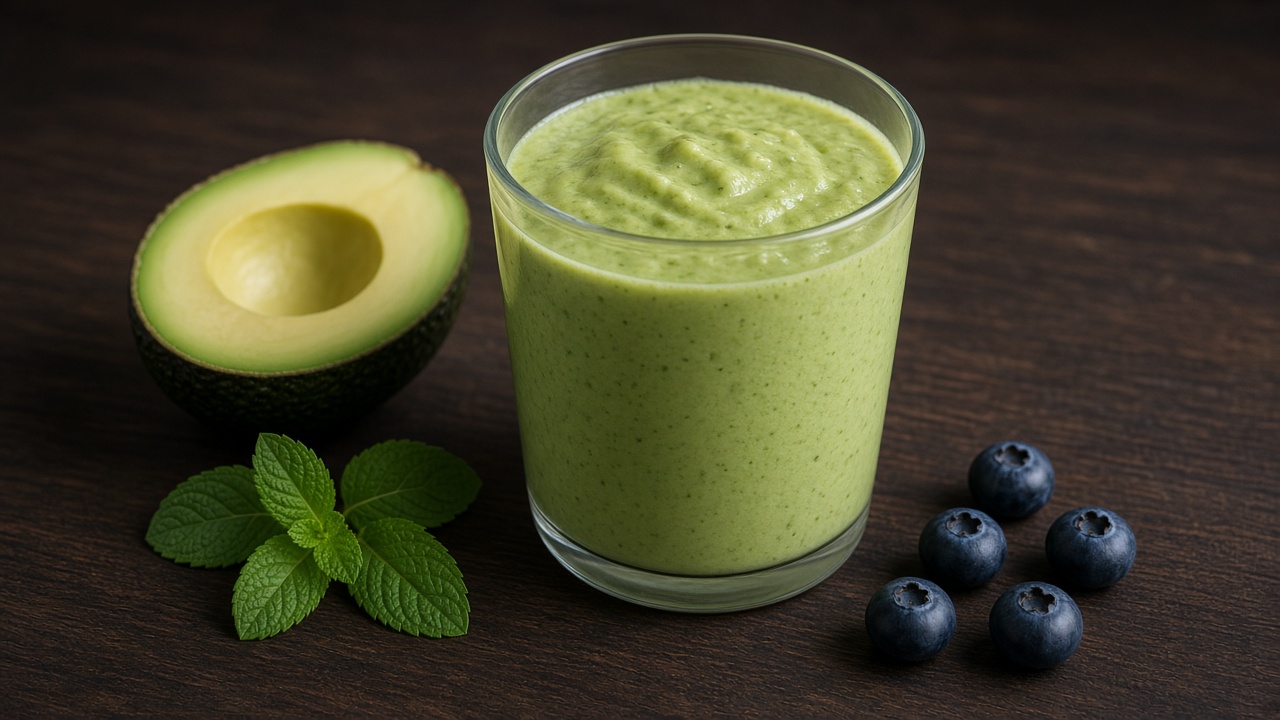
A 30-Day Low-Carbohydrate Smoothie Rotation You Can Measure
Thirty days is six trips through a five-drink week, plus a couple of repeats if you count a 31-day month as extra practice. This page is that rotation. It is a shopping and measuring plan. It is not a finding that any drink will put you into ketosis, change your weight, or alter a lab result.
The FDA Daily Value for total carbohydrate is 275 grams a day on the Nutrition Facts label. Many people who say they eat "keto" aim far below that number. The cap they use should be the one their own clinician gave them. This site will not invent a gram target and call it medical advice. What it can do is show the total carbohydrate in specific weights of food, using USDA FoodData Central, so you can see whether a glass fits the cap you already have.
"Net carbs" is not a term the FDA defines on the Nutrition Facts label. The label lists total carbohydrate and dietary fiber separately. The numbers below are total carbohydrate unless a sentence says fiber.
What goes in the cart once
Buy quantities you will actually finish in a week. A 30-day plan fails in the crisper drawer more often than it fails in the blender.
- Avocados. FoodData Central entry 171705, "Avocados, raw, all commercial varieties," lists 1 cup of cubes at 150 grams. Half of that cup is 75 grams.
- Unsweetened almond milk. Entry 174832 lists a cup at 262 grams. Sweetened almond milk is a different product. Read the carton.
- Lemons, for juice. Entry 167747.
- Peanut butter without added salt, if you tolerate peanuts. Entry 172470 lists a tablespoon portion at 32 grams.
- Hemp hearts if you want them. Entry 170148.
- Fresh mint or peppermint for aroma. A few leaves weigh too little for this page to pretend they move the carbohydrate total. Do not buy 100 grams of mint and blend it all.
- Ice, made from water you trust.
Skip fruit-heavy recipes on the days you are trying to keep carbohydrate down. A large banana (136 grams, FDC 173944) carries about 31 grams of carbohydrate by itself. That one fruit can blow a strict personal cap before the blender even starts. The rotation below leaves the banana out on purpose.
The 75-gram avocado, spelled out
Per 100 grams, avocado FDC 171705 lists 160 kilocalories, 2.0 grams of protein, 8.53 grams of carbohydrate, 6.7 grams of fiber, 14.66 grams of fat, and 485 milligrams of potassium.
Seventy-five grams (half of the 150-gram cup of cubes) is about 120 kilocalories, 1.5 grams of protein, 6.4 grams of carbohydrate, 5.0 grams of fiber, 11 grams of fat, and 364 milligrams of potassium.
That is the base of every drink this month. If your avocado is larger or smaller, weigh the flesh you actually scoop. A guess of "half an avocado" can be 50 grams or 120 grams depending on the fruit.
Almond milk is the liquid, and the carton wins
Per 100 grams, unsweetened shelf-stable almond milk (FDC 174832) lists 15 kilocalories, 0.4 grams of protein, 1.31 grams of carbohydrate, 0.96 grams of fat, and 184 milligrams of calcium. A 262-gram cup is about 39 kilocalories, 1 gram of protein, 3.4 grams of carbohydrate, and 482 milligrams of calcium.
The calcium number describes that USDA entry, which reflects a fortified beverage, not a handful of almonds you blended yourself. Your brand's Nutrition Facts panel is the number to log. If the panel says "original" or lists cane sugar, it is not this entry.
Five glasses, then repeat
Each drink is illustrative. Carbohydrate totals use the weights above. Mint leaves and ice are treated as negligible carbohydrate. Lemon juice uses 15 grams, about a measured tablespoon: FDC 167747 lists 22 kilocalories and 6.9 grams of carbohydrate per 100 grams, so 15 grams is about 1 gram of carbohydrate and about 6 milligrams of vitamin C (38.7 milligrams per 100 grams).
Day pattern A, avocado and mint. 75 grams avocado, 262 grams unsweetened almond milk, a few mint leaves, a handful of ice. Total carbohydrate is about 6.4 + 3.4 = 9.8 grams, plus a trace from the herb. Energy is about 120 + 39 = 159 kilocalories. Fat is mostly the avocado's 11 grams.
Day pattern B, avocado, mint, and lemon. Same as A, plus 15 grams lemon juice. Add about 1 gram of carbohydrate. The drink tastes brighter, which matters when you are not using fruit to carry the flavor.
Day pattern C, avocado and peanut butter. Pattern A plus 32 grams of smooth peanut butter without salt (FDC 172470). Per 100 grams that entry is 598 kilocalories, 22.21 grams of protein, 22.31 grams of carbohydrate, and 51.36 grams of fat. Thirty-two grams is about 191 kilocalories, 7 grams of protein, 7 grams of carbohydrate, and 16 grams of fat. The glass moves to roughly 9.8 + 7 = 17 grams of carbohydrate and about 350 kilocalories. Skip this pattern if you have a peanut allergy.
Day pattern D, avocado and a weighed spoon of hemp. Ten grams of hulled hemp seed (FDC 170148 is 553 kilocalories and 31.56 grams of protein per 100 grams) is about 55 kilocalories and 3 grams of protein, with 0.9 grams of carbohydrate (8.67 grams per 100 grams, times 0.10). Added to pattern A, carbohydrate stays near 11 grams and calories near 215. The USDA tablespoon portion for this entry is 30 grams, which triples those hemp figures. Weigh the spoon the first time. A "tablespoon" in a home drawer is not automatically 30 grams.
Day pattern E, the smaller avocado day. Use 50 grams of avocado instead of 75. That is the NLEA serving weight listed on FDC 171705. Fifty grams is about 80 kilocalories, 4.3 grams of carbohydrate, and 7 grams of fat, plus the almond milk's 3.4 grams of carbohydrate. The glass lands near 8 grams of carbohydrate and about 120 kilocalories. Use this pattern when the other days felt like too much food, not because a smaller glass has a special property.
A 30-day calendar can be A, B, C, D, E, then A again, six times. Days 29 and 30 repeat A and B. Write the letter on a card and tape it inside a cabinet. The plan is the card, not a new set of rules each morning.
How these glasses sit next to 275 grams
Pattern A is about 10 grams of total carbohydrate. That is roughly 4% of the 275-gram Daily Value. Pattern C is about 17 grams, still a small share of 275 grams and a much larger share of a personal cap of 20 or 30 grams, if that is the cap you were given. The rest of the day's food counts too. Coffee with milk, a handful of berries, and a yogurt later can pass a strict cap even when breakfast looked compliant.
If you want a sense of the contrast, one cup of raw blueberries (148 grams, FDC 171711) is about 21 grams of carbohydrate. One large banana is about 31 grams. Those are fine foods. They are just expensive against a low ceiling.
Protein is modest on purpose
Pattern A supplies about 1.5 grams of protein from avocado and about 1 gram from the almond milk. That is not a large share of the FDA protein Daily Value, which is 50 grams. Pattern C adds about 7 grams from the 32-gram peanut butter portion. If you need more protein, this rotation is the wrong tool. A higher-protein drink belongs on the whole-food protein page, and it will usually raise carbohydrate if you use yogurt or milk. Check both numbers against your own cap.
Freezer and fridge, briefly
FoodSafety.gov says frozen food held continuously at 0°F (−18°C) or below can be kept indefinitely from a safety standpoint, and that the freezer times on its chart are about quality. Avocado flesh darkens and turns mushy after freezing, so this rotation is built for fruit you blend the morning you cut it. Almond milk belongs in the refrigerator after opening. Follow the carton date. Do not leave a dairy-free blended drink on the counter for the afternoon because it "has no banana." When you are unsure, throw it out.
Wash the lemon before you cut it, under running water, without soap, as the FDA produce page describes. The peel is where the knife goes.
Who should not use a blog as a carbohydrate prescription
People with kidney disease, people on medicines that interact with big swings in food intake, people who are pregnant, and anyone who has been told to follow a specific diet should take the gram chart to a registered dietitian or physician before using it for a month. Children do not belong on an adult low-carbohydrate experiment because a web page laid out five letters.
If you feel unwell, stop and call your clinician. A smoothie rotation is optional. Eating ordinary meals is allowed.
Records behind the gram chart
- U.S. FDA Daily Value table: total carbohydrate 275 grams, protein 50 grams, and the explanation of % Daily Value.
- USDA FoodData Central FDC 171705 (avocado, including cup of cubes at 150 grams and NLEA serving at 50 grams), FDC 174832 (unsweetened almond milk, cup 262 grams), FDC 172470 (peanut butter, tablespoon 32 grams), FDC 170148 (hulled hemp seed), FDC 167747 (lemon juice), FDC 173944 (banana, large 136 grams), FDC 171711 (blueberries, cup 148 grams).
- FoodSafety.gov Cold Food Storage Chart, reviewed September 19, 2023, on freezer temperature and quality versus safety.
- U.S. FDA, "Selecting and Serving Produce Safely," for washing citrus before cutting.
Free PDF
Free recipe notes: 8 fruit smoothies
A short sampler of fruit smoothie recipes, plus kitchen notes on thickness, greens and prep.
You'll also get occasional recipe emails. Unsubscribe any time. Privacy Policy.