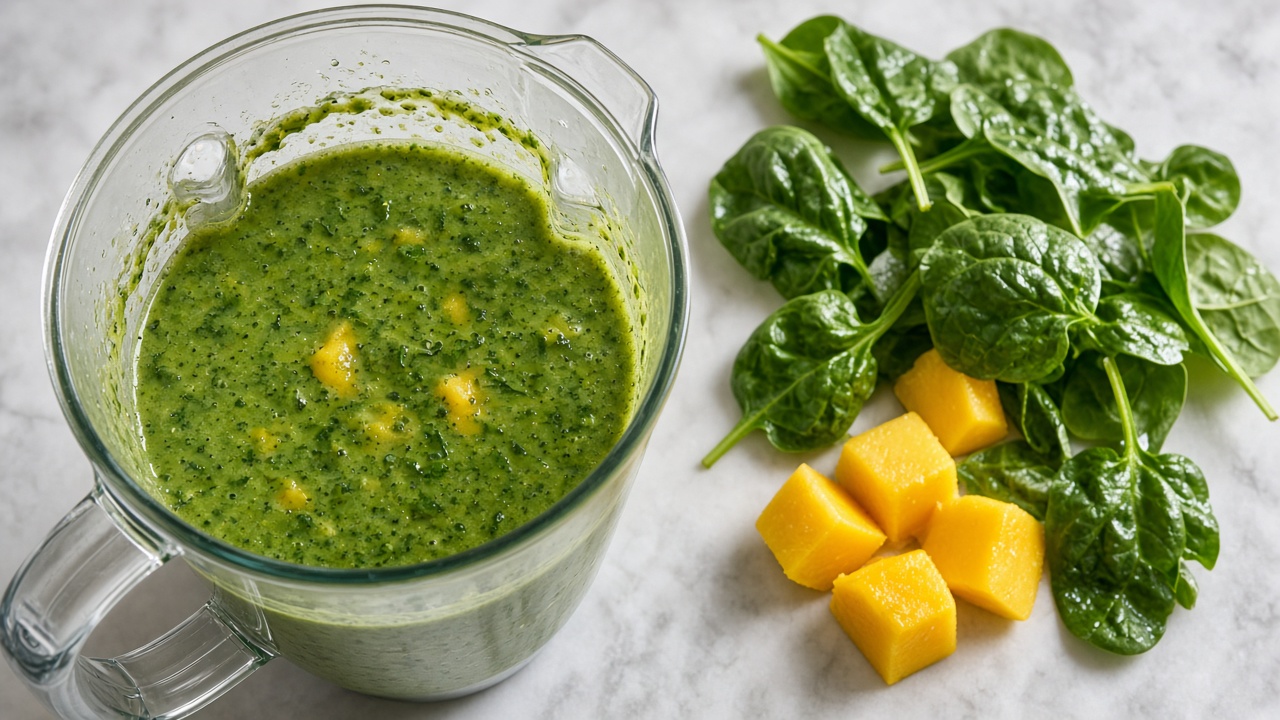
Best Blenders for Smoothies: How to Choose, From Budget to Pro
What actually matters when you buy a blender for daily smoothies, from motor and jar shape to warranty and cleanup, at every budget.
Smoothie guides, ingredient notes, and home-blending ideas from the Harmony Smoothie Editorial Team.
What actually matters when you buy a blender for daily smoothies, from motor and jar shape to warranty and cleanup, at every budget.
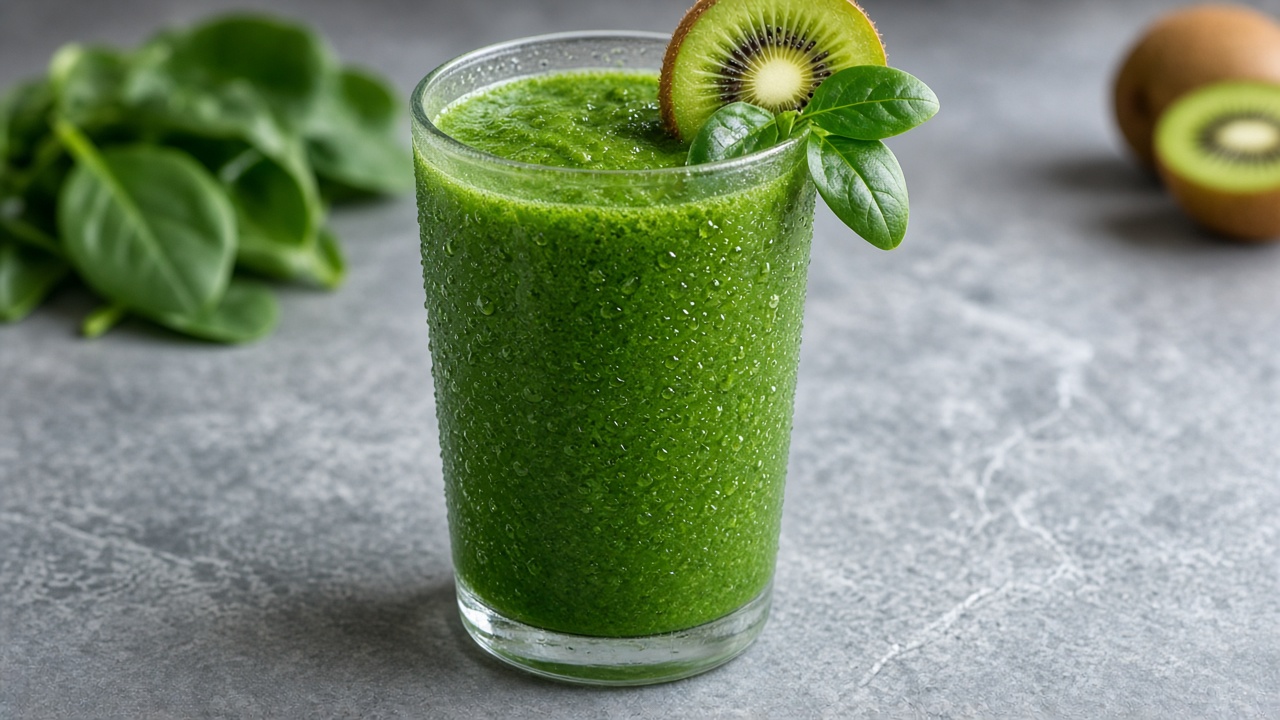
Cup weights from USDA FoodData Central, vitamin K amounts from the NIH, and FDA produce-washing steps for a spinach or kale smoothie.
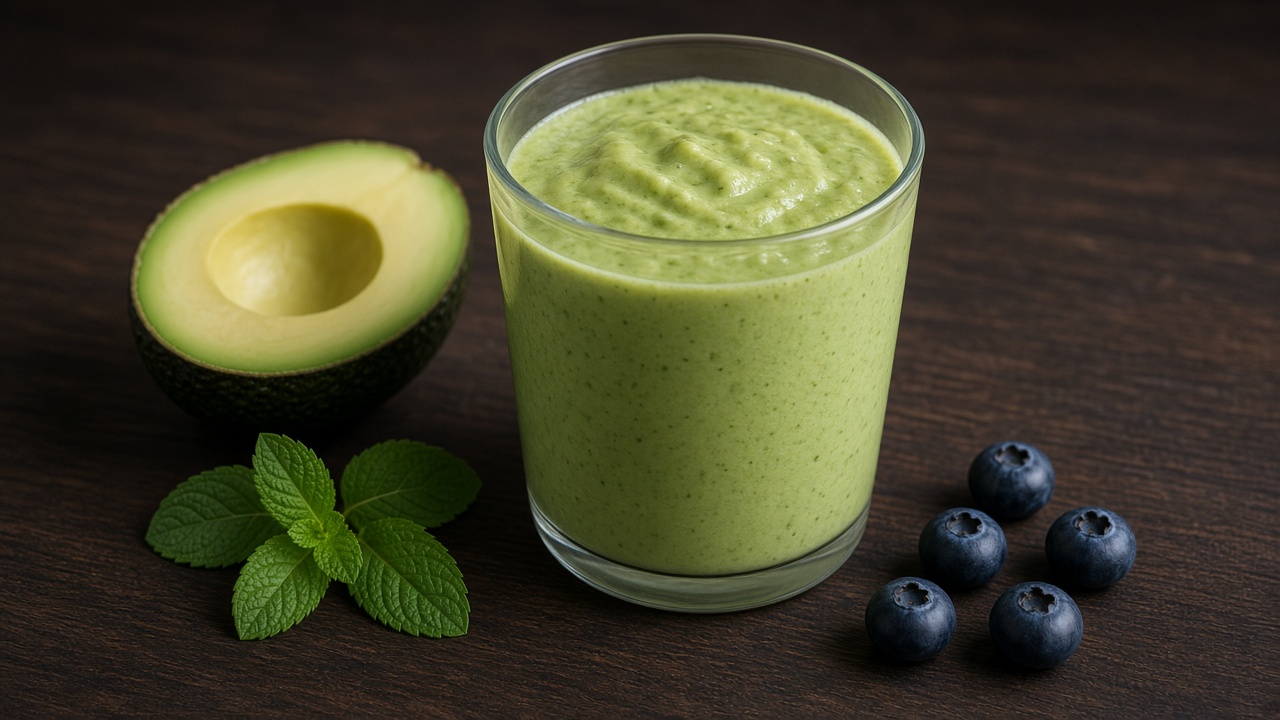
Thirty breakfasts built by repeating five measured drinks. Carbohydrate grams are scaled from USDA FoodData Central, next to the FDA Daily Value of 275 grams.
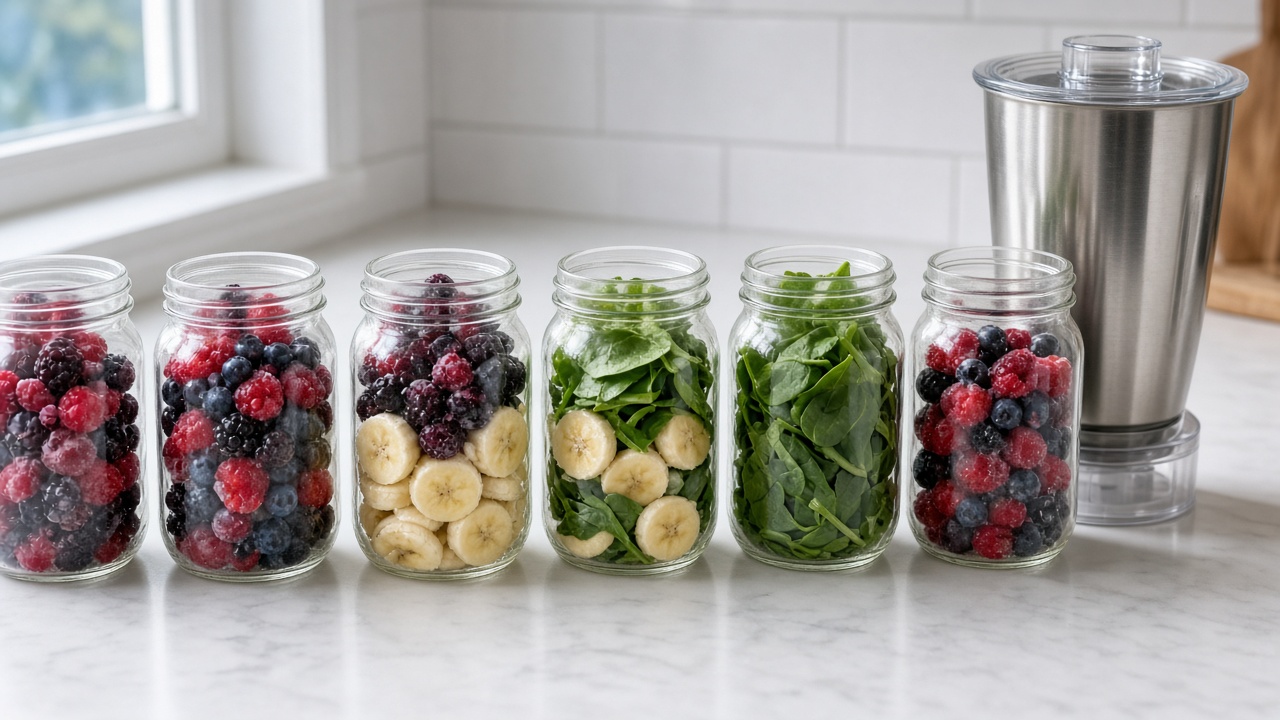
How to prep a week of smoothies in under an hour, what freezes well, what doesn't, and how to store everything safely.
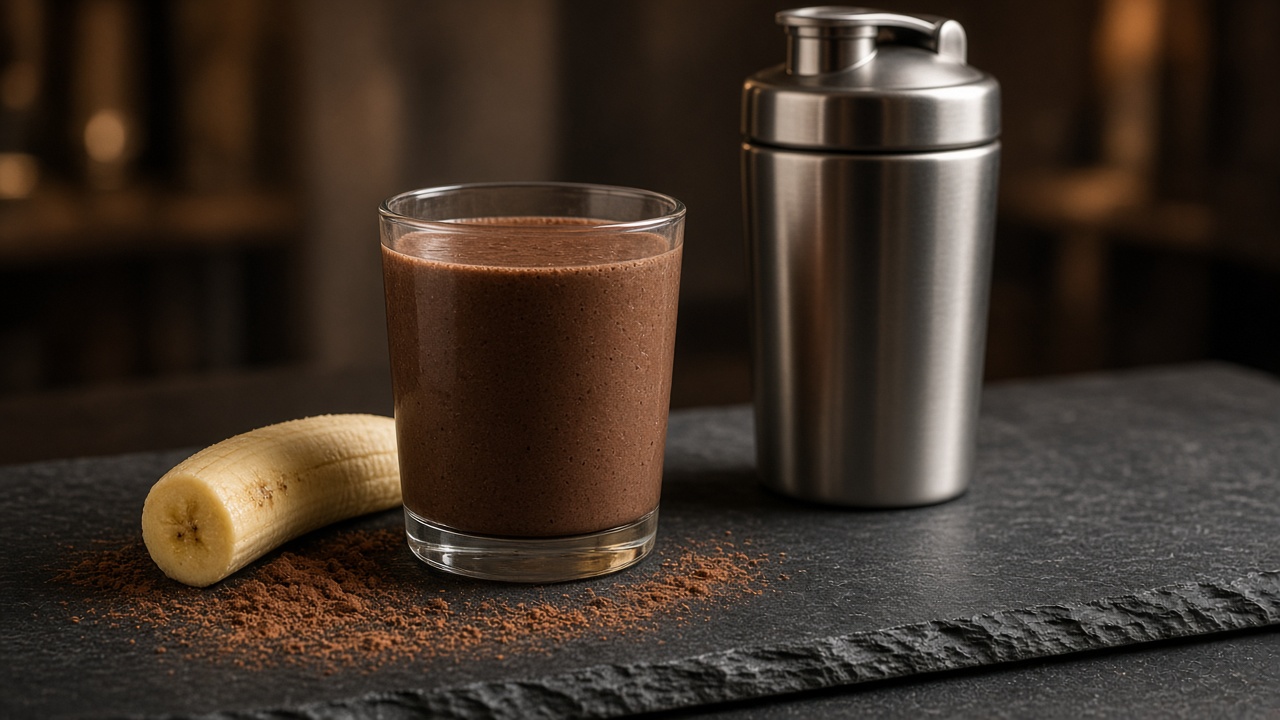
Three illustrative drinks for different kinds of sessions, with protein and carbohydrate scaled from USDA entries and the FDA 50-gram protein Daily Value.

Greek yogurt, milk, cottage cheese, tofu, peanut butter, and hemp, weighed against the FDA 50-gram protein Daily Value.

How NIH and NIDDK describe gas, and how to raise fiber from a cup of spinach toward the FDA 28-gram Daily Value without a sudden jump.

How to make smoothies that children actually drink, with age-appropriate ingredients, sensible portions and ways to get kids involved.

Cinnamon, ginger, cardamom and nutmeg make smoothies feel right on cold mornings. How to use warming spices well, plus recipes and safety notes.

A teaspoon of turmeric is a kitchen measure. NCCIH draws a sharp line between that spoon and curcumin supplements.

How to plan, shop and prep smoothies on a tight grocery budget, with low-cost staples, a simple weekly plan and ways to cut waste.

What the NIH iodine fact sheet says about dairy, iodized salt, soy, and cruciferous vegetables, and how that meets a blender.

Peanut butter, oats, whole milk, banana, and avocado scaled from USDA entries into one illustrative high-calorie glass.

FoodSafety.gov on 0°F freezers, FDA produce washing, and a bag method that keeps liquid out until blend time.

Blending and juicing both start with fruit and vegetables, but they produce very different drinks. Here is how they compare on fiber, sugar, fullness and convenience.
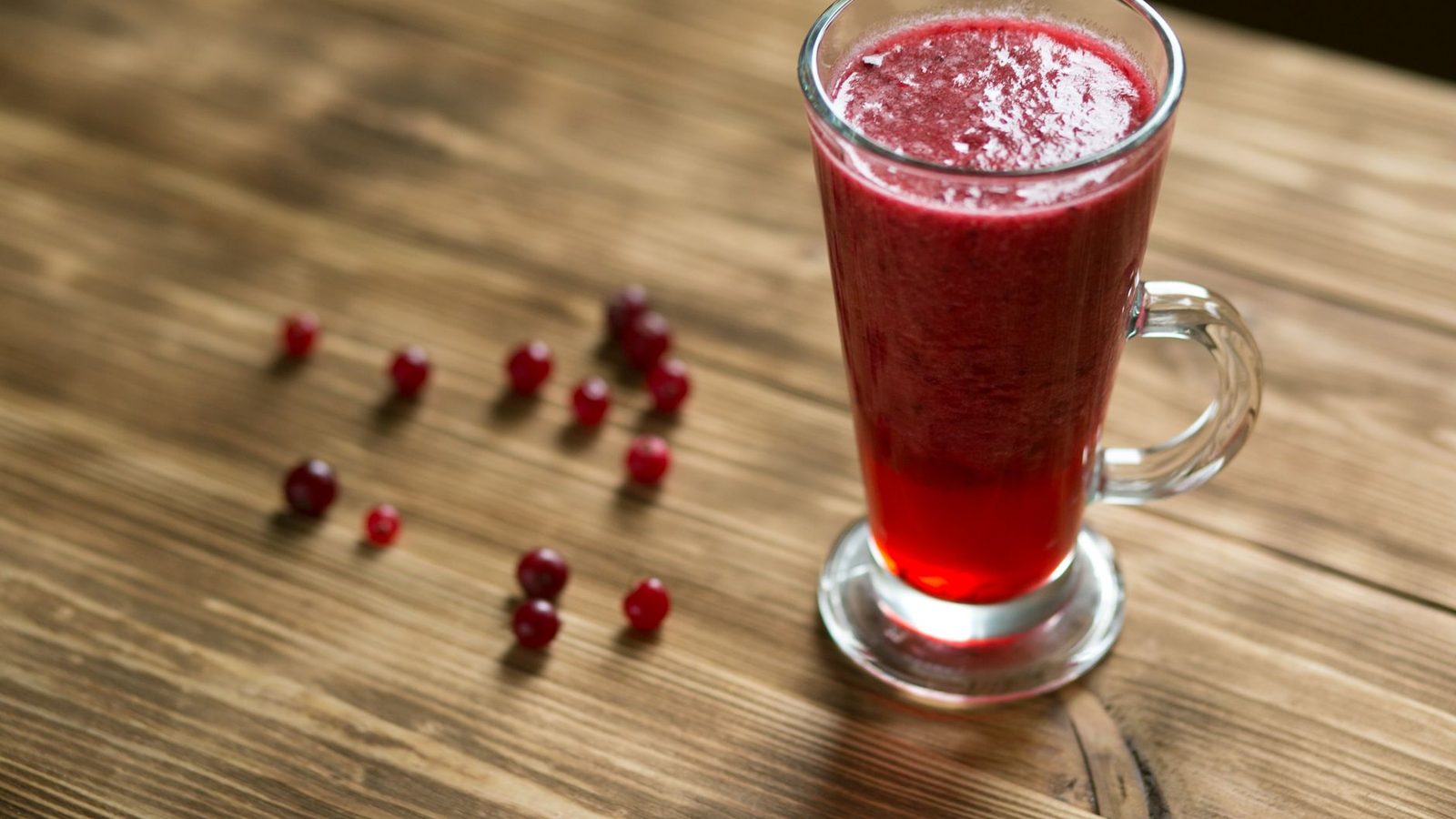
No banana? Use avocado, frozen mango, oats, yogurt, silken tofu, frozen cauliflower and more. What each swap adds, how much to use, and USDA nutrition numbers for every one.
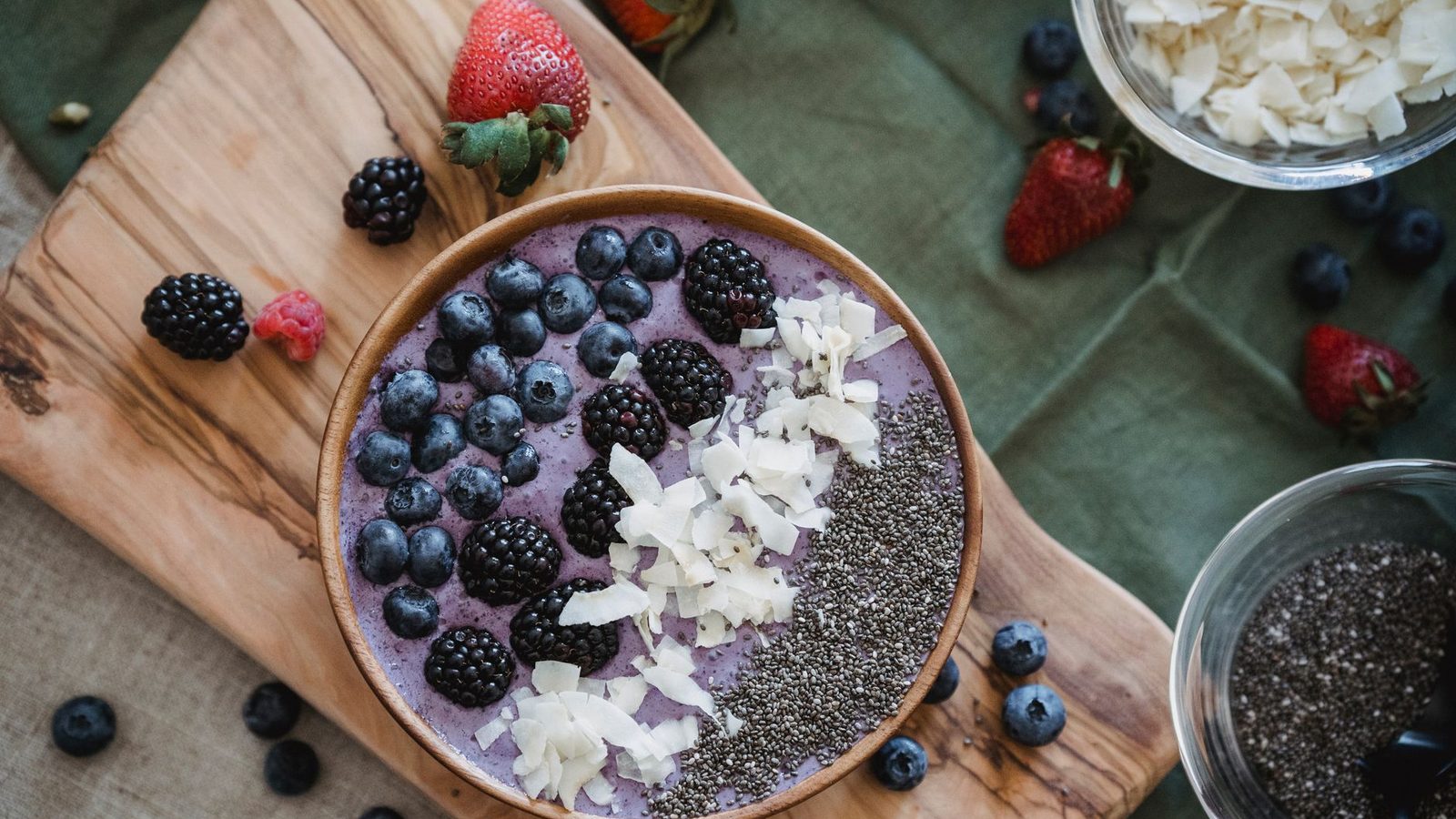
A thin smoothie usually has too much liquid, not too little fruit. Eight fixes, from frozen fruit and chia to blender loading order, with USDA nutrition for each thickener.
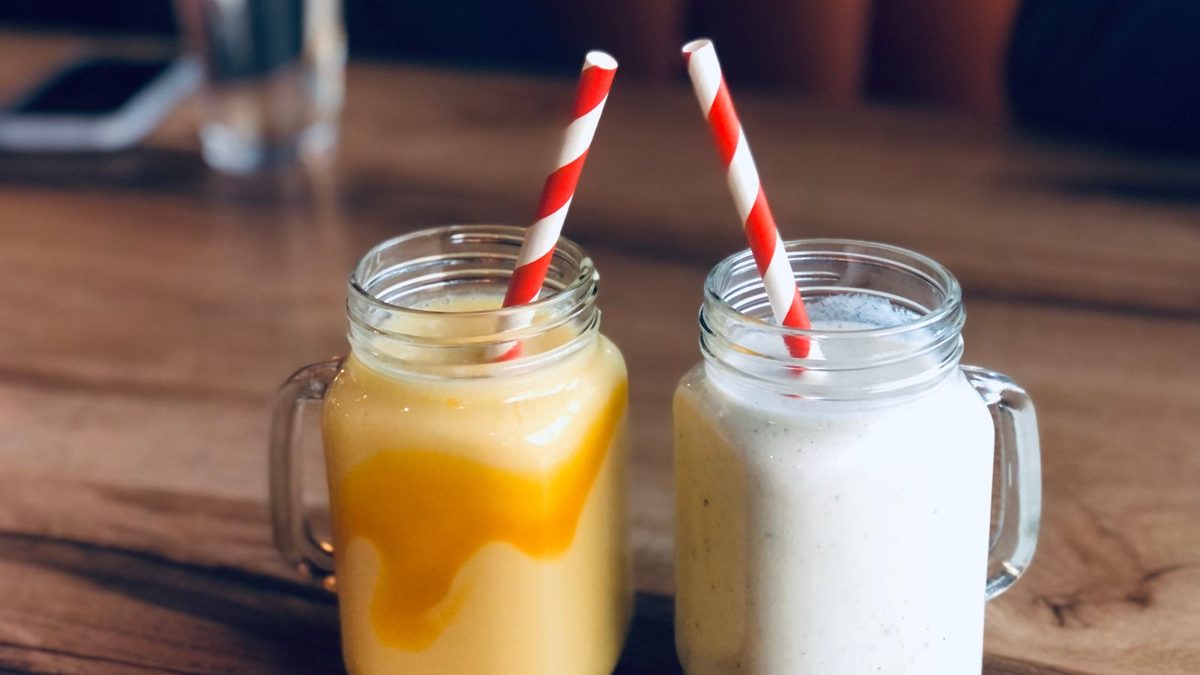
A homemade smoothie keeps about a day in the fridge, 2 hours on the counter and weeks in the freezer. USDA food-safety rules, headspace for freezing jars, safe thawing and signs it has gone off.
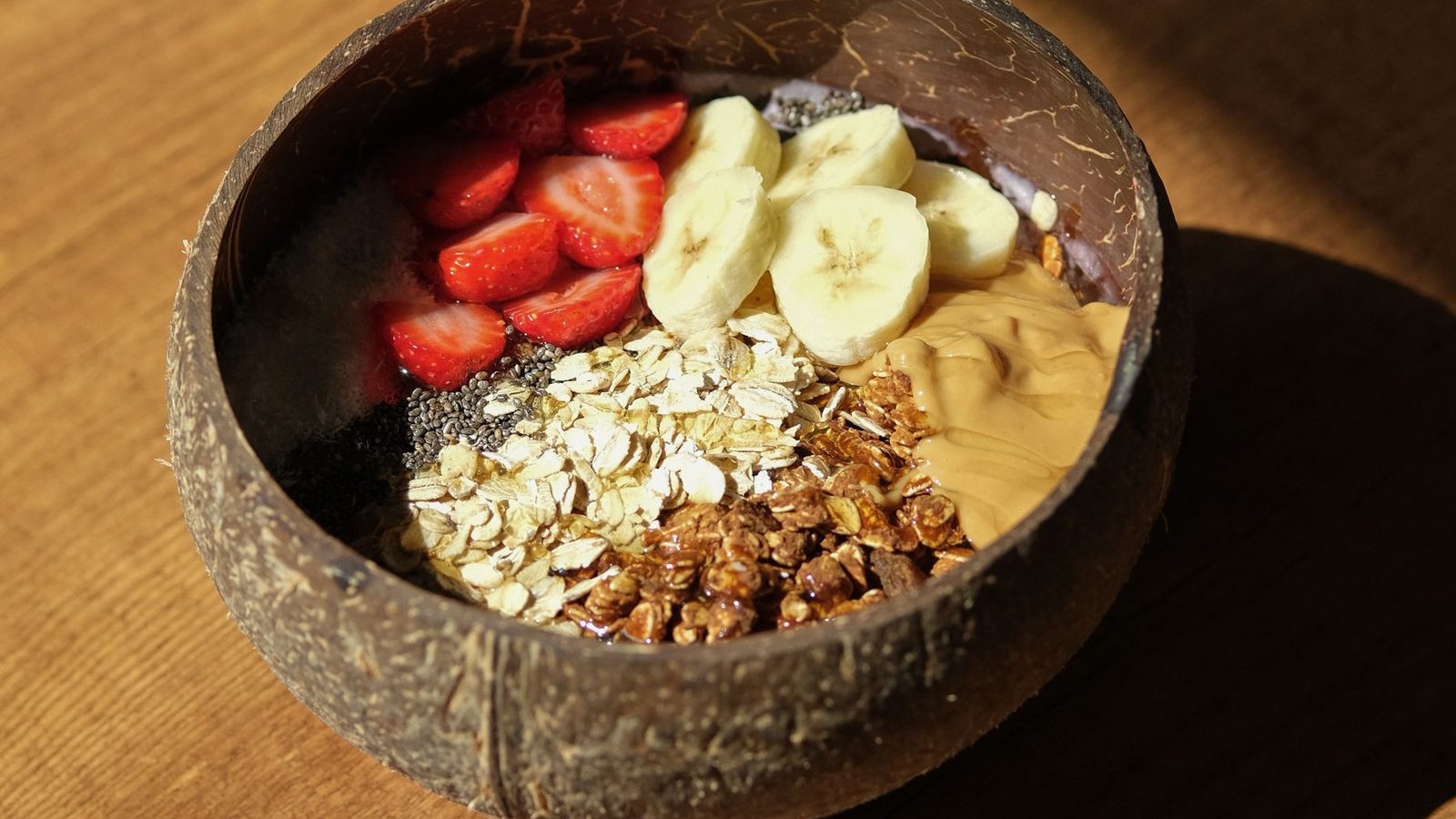
A 16-ounce fruit-and-milk smoothie is usually about 200 to 350 calories; nut butter, oats and yogurt can push it past 600. USDA calorie, sugar, fiber and protein figures for 24 ingredients, five smoothies counted, and where hidden calories come from.
Longer notes for the recipe cards live on each recipe page.