Recipe Library
Browse smoothie recipe ideas by ingredient, preparation style, and flavor preference.
For more plant-forward drinks, see Alkaline Diet Recipes.
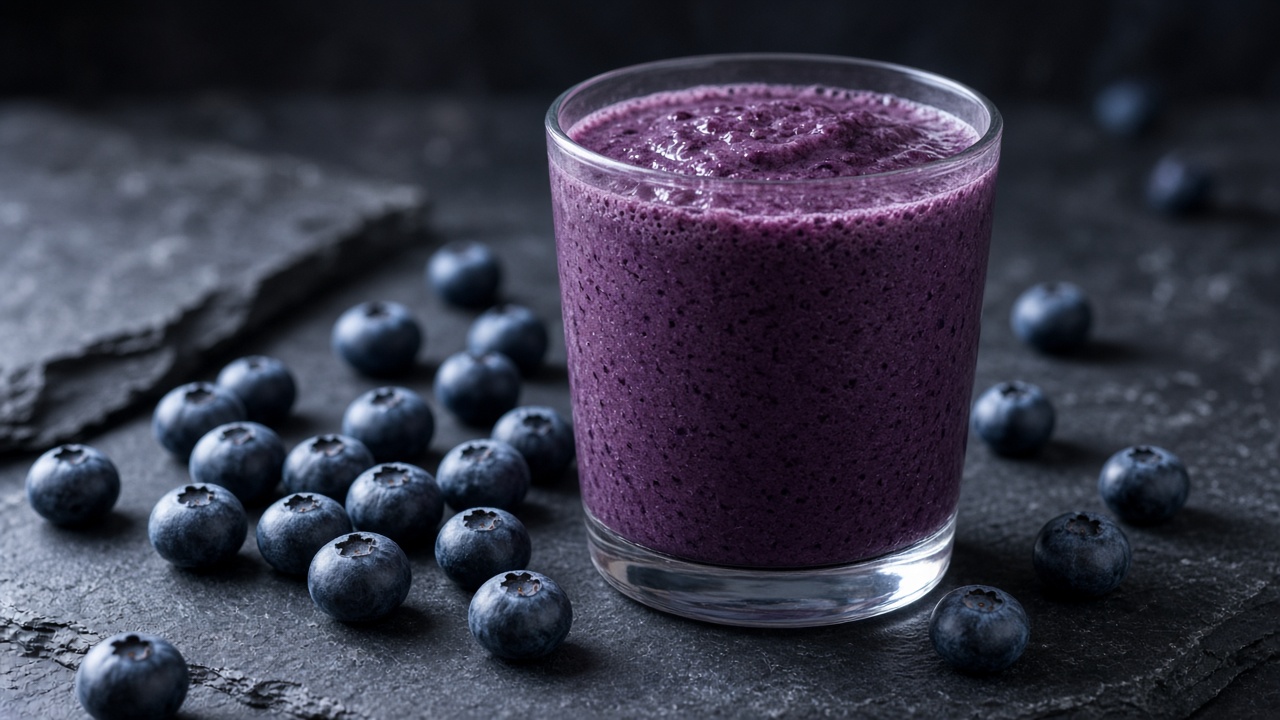
Blueberry Bliss
Blueberries blended with creamy banana and almond milk.
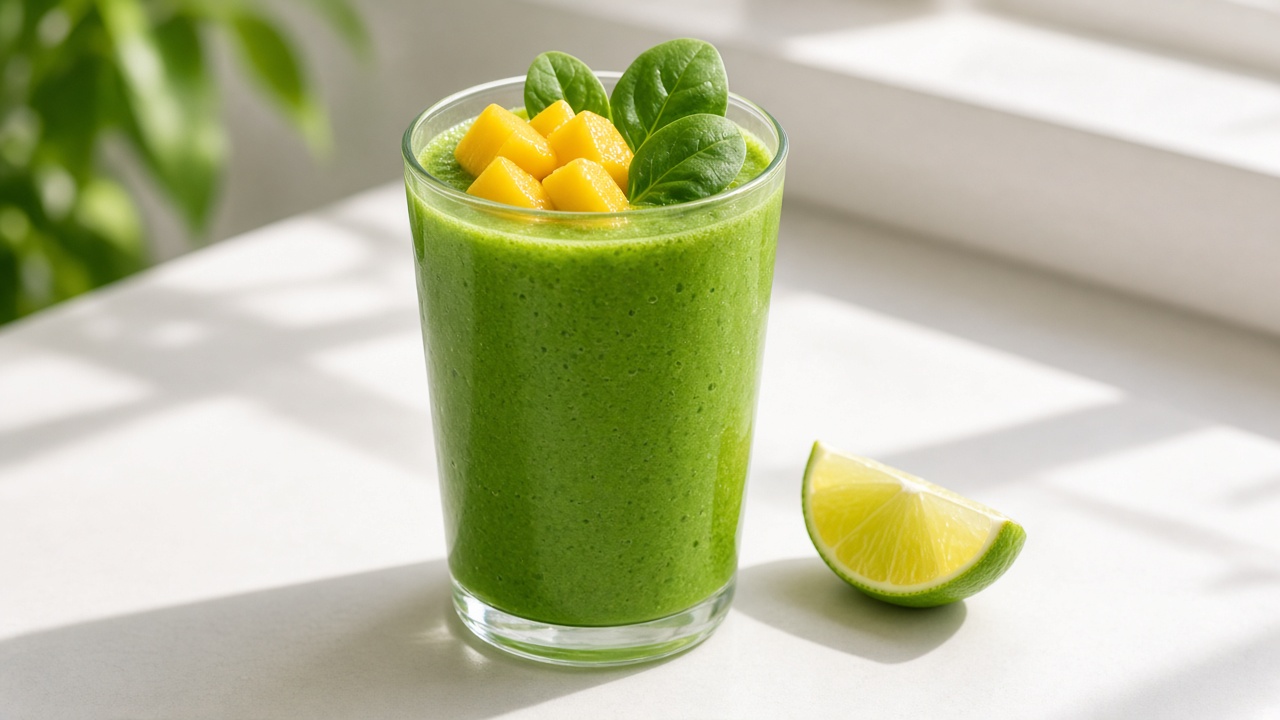
Tropical Green Glow
Spinach, mango, and coconut water with a bright tropical flavor.
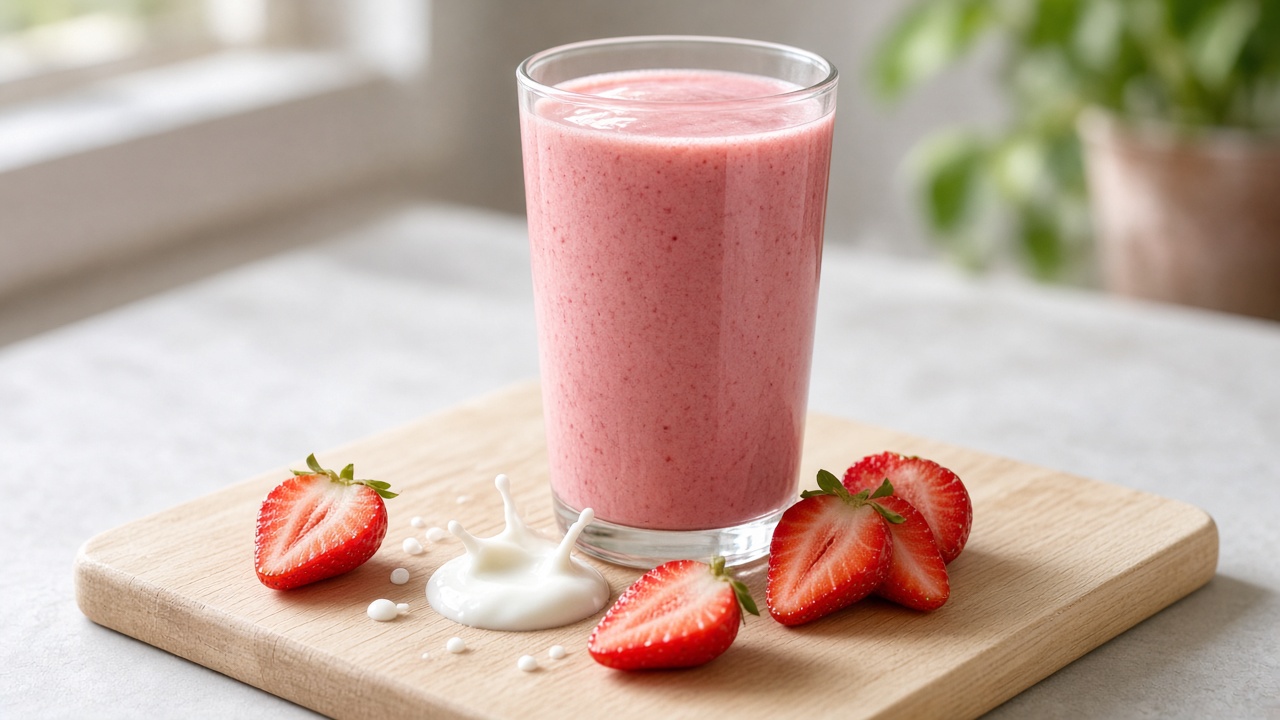
Strawberry Sunshine
Fresh strawberries, Greek yogurt, and honey for a bright morning start.
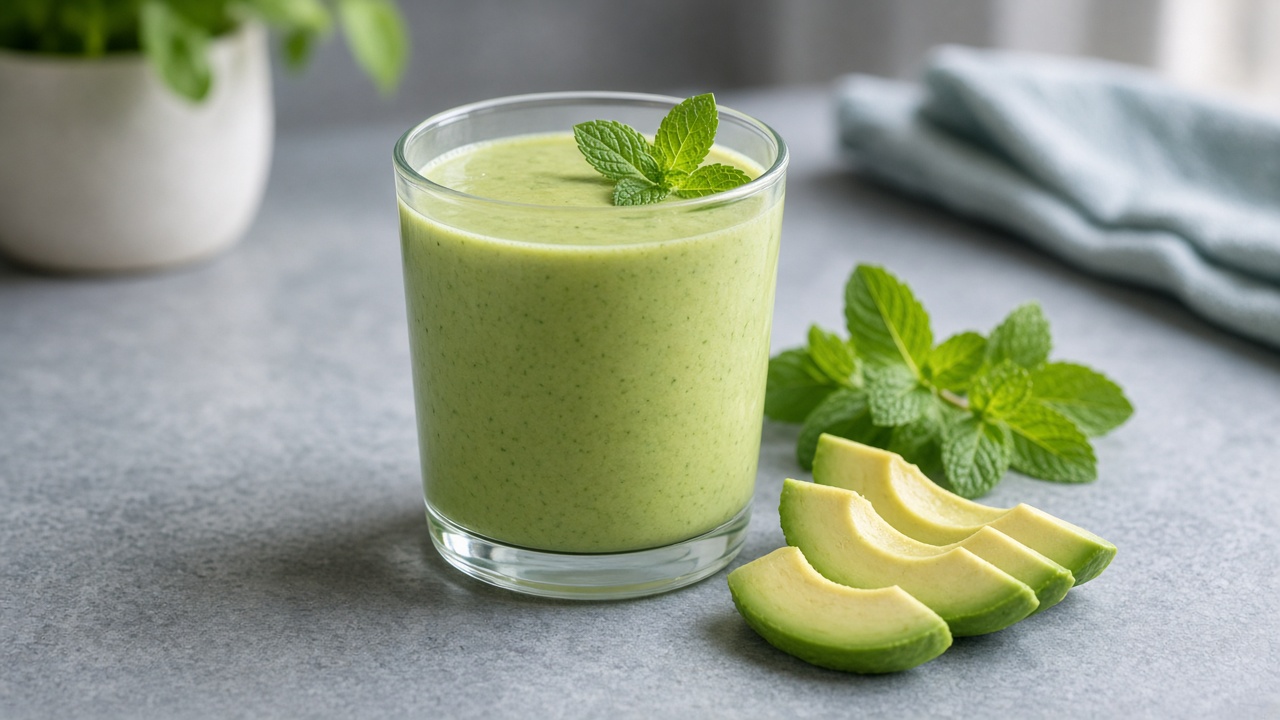
Keto Avocado Mint
Creamy avocado with fresh mint and a splash of unsweetened milk.
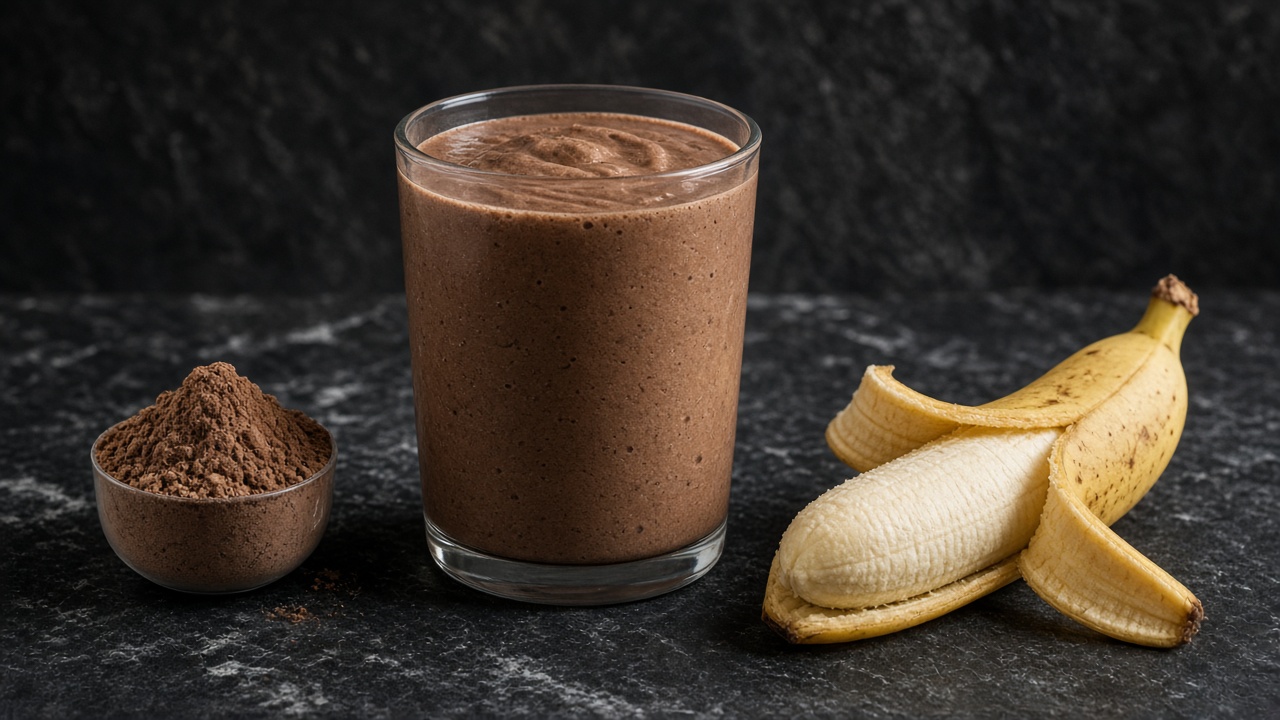
Post-Workout Protein Blast
Banana, peanut butter, and almond milk, plus a scoop of protein powder. Calories and protein shown are before the powder.
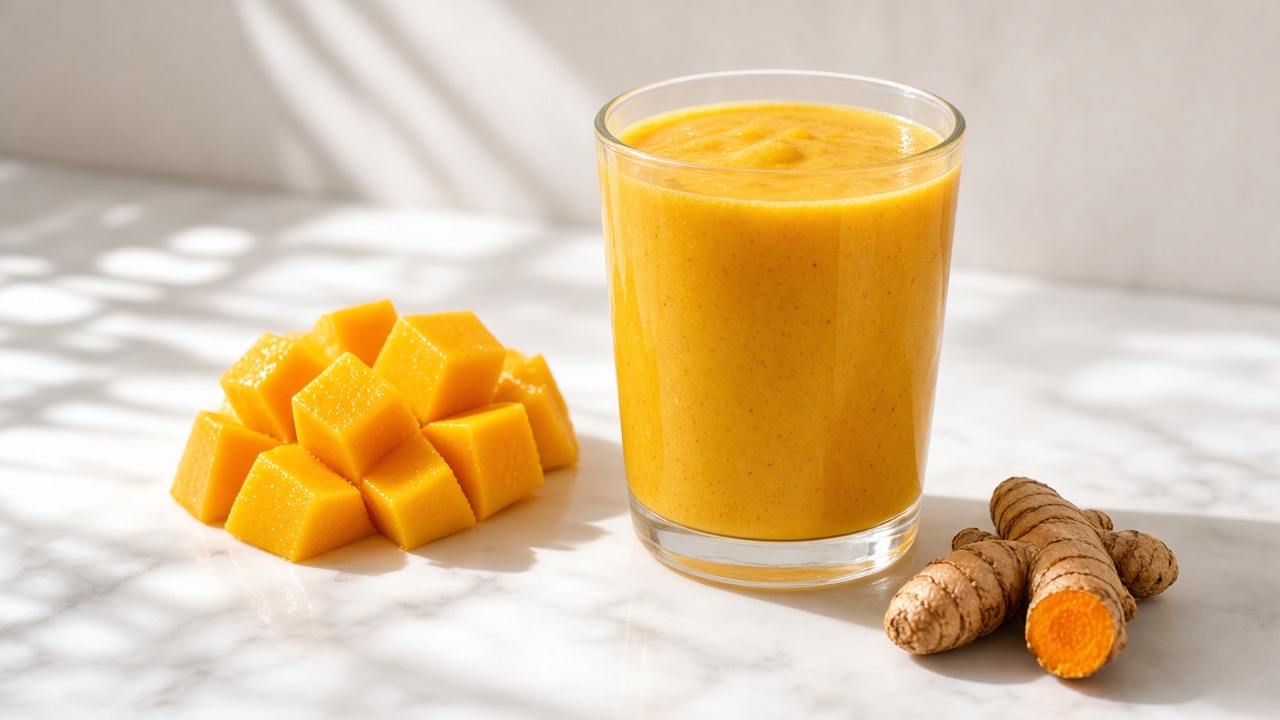
Mango Turmeric Glow
Sweet mango, turmeric, and coconut milk with warm spice notes.
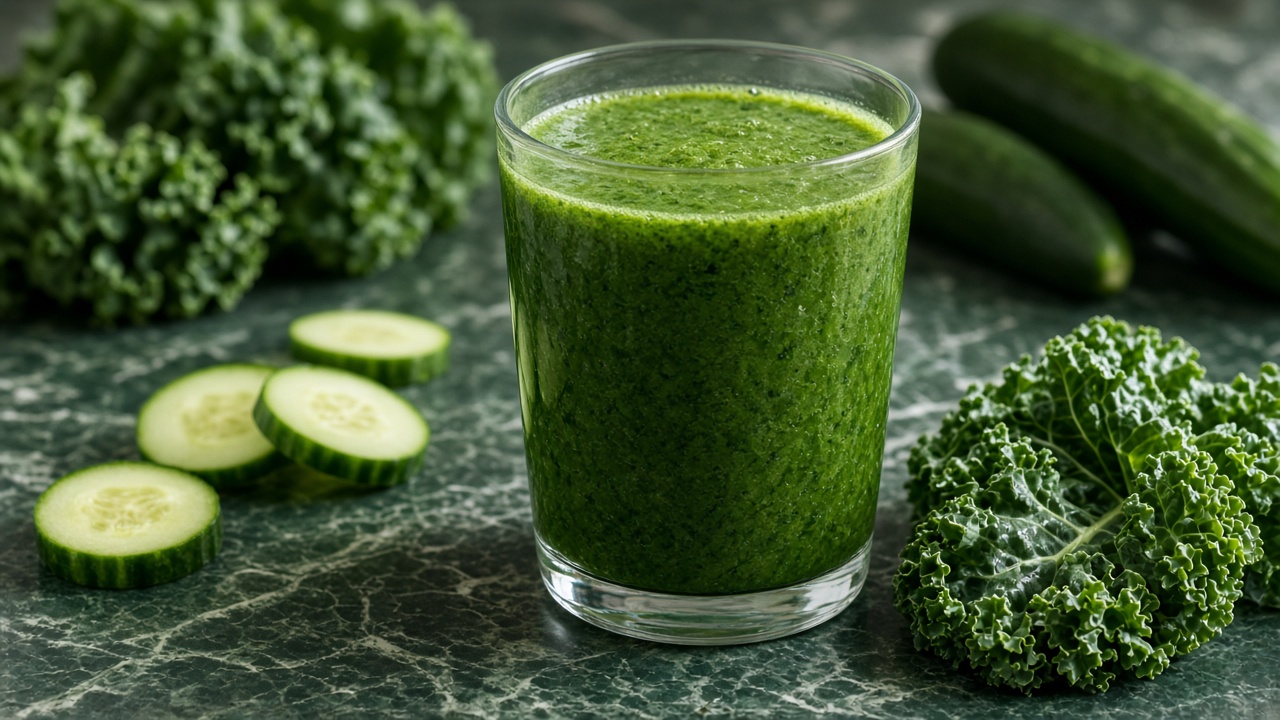
Green Cucumber Blend
A bright blend of kale, cucumber, lemon, and ginger.
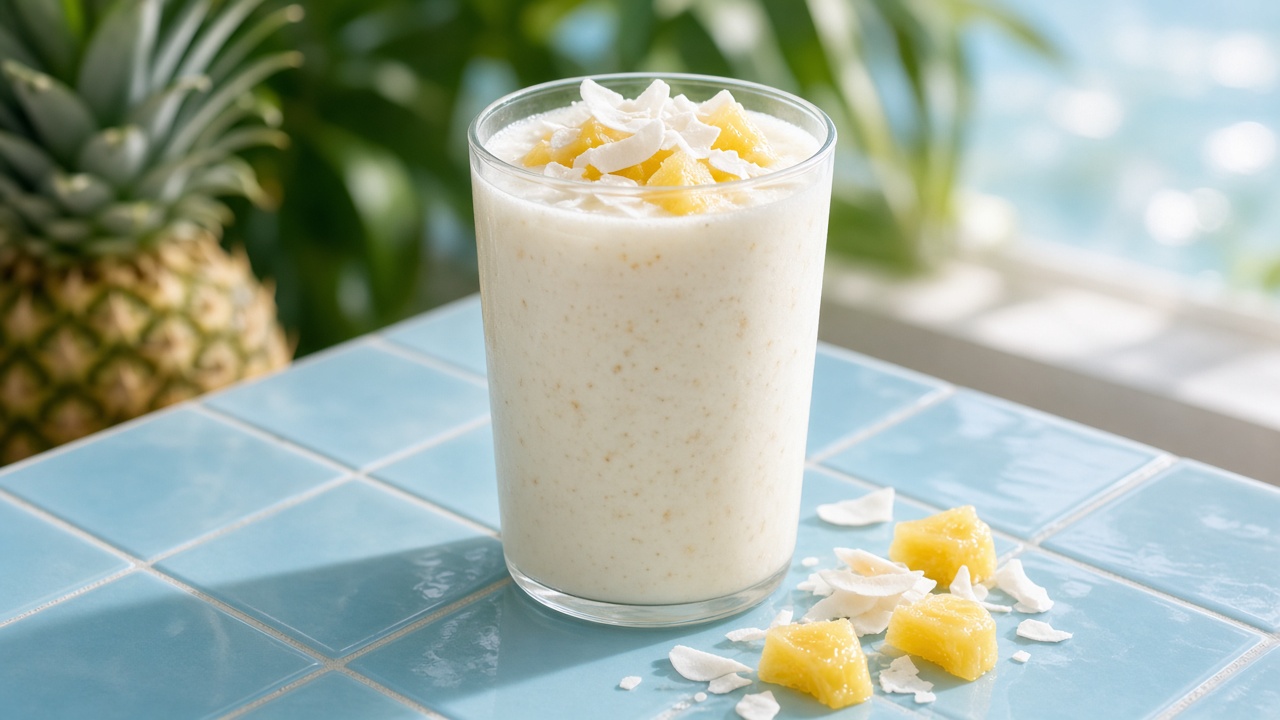
Pineapple Coconut Dream
Tropical pineapple with creamy coconut milk and chia seeds.
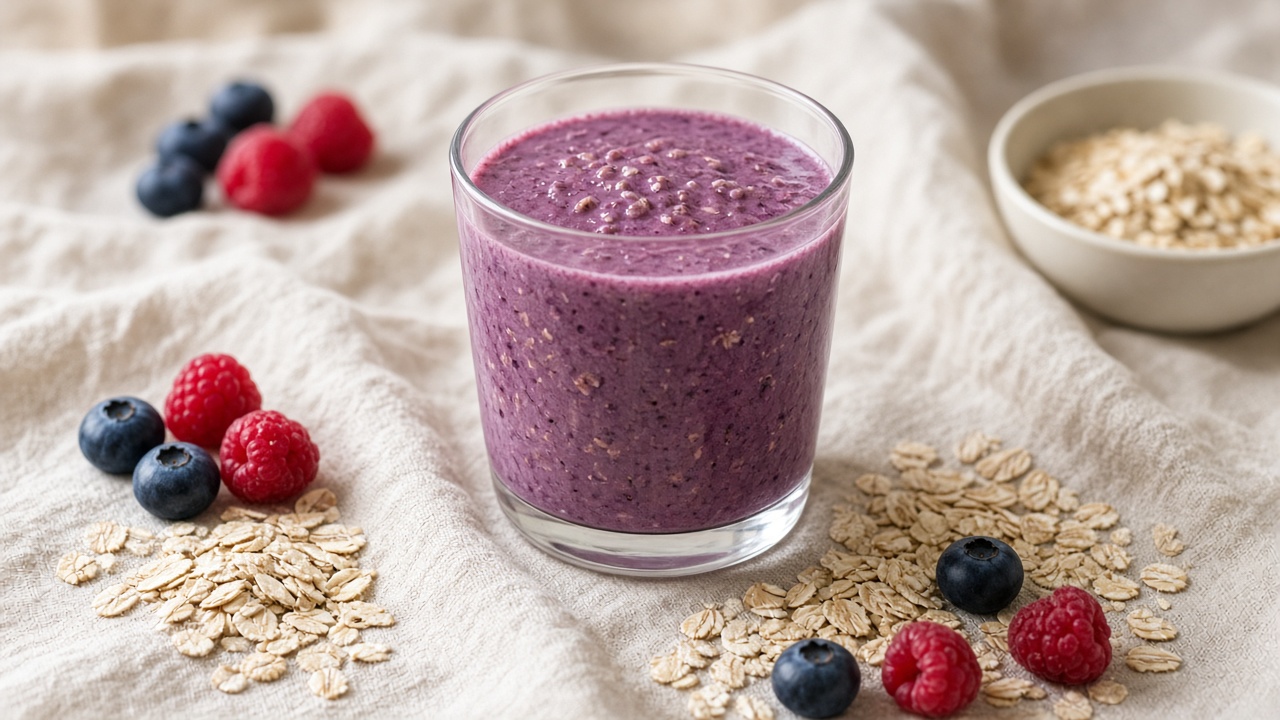
Gluten-Free Oat Berry
Certified gluten-free oats with mixed berries and almond milk.
How the recipes are put together
Every recipe lists its ingredients in everyday measures, along with the preparation time and an approximate calorie count based on standard food data. Calories and nutrients vary with brands and portion sizes, so treat the numbers as a guide. The filters let you browse by style. Vegan recipes contain no animal products. Keto recipes keep carbohydrates low. Green recipes include leafy vegetables, and fruit recipes lead with fruit. Gluten-free recipes avoid wheat, barley and rye, and post-workout recipes include a protein source.
Tips for better smoothies
- Freeze ripe bananas and other fruit in portions. Frozen fruit gives a thick, cold texture without diluting it with ice.
- Add liquid first, then soft ingredients, then greens, then frozen fruit, and start the blender on low speed.
- Use milk, soy milk or yogurt for creaminess and protein. Water or coconut water makes a lighter drink.
- Taste before adding sweetener. Ripe fruit is often sweet enough.
- Add oats, chia or ground flax for fiber and to make a smoothie more filling.
Sugar and portions
Blending fruit releases its natural sugars, and the NHS and WHO count those as free sugars. The NHS suggests no more than 150ml of juice and smoothies combined a day. Recipes that include vegetables, protein and only one or two portions of fruit are easier to fit into that guidance, and drinking a smoothie in place of a meal helps keep your overall intake in check.
Allergies and substitutions
Many recipes contain milk, nuts or soy. Swap almond milk for oat milk if you have a nut allergy, use soy or pea protein in place of dairy, and check every packaged ingredient's label. Oats labeled gluten-free are the safe choice for people with celiac disease.
Storage
Smoothies are at their best fresh. If you need to keep one, fill a sealed container right to the top to limit air, refrigerate it and drink it within 24 hours. Some separation is normal, so shake or stir it before drinking.
Building a weekly routine
Choosing two or three recipes for the week and shopping for just those keeps costs down and cuts waste. Frozen fruit and vegetables count toward fruit and vegetable goals just like fresh, and keep for months, which makes a steady smoothie habit easier to stick with.
The calorie figure on each card is per serving, as the recipe is written. If you change the liquid, add protein powder or make a larger portion, run the recipe through the nutrition calculator for an updated estimate. Recipes marked post-workout include a protein source, and green recipes include at least one leafy vegetable.
Sources: NHS: 5 A Day, what counts; WHO: Sugars intake for adults and children.