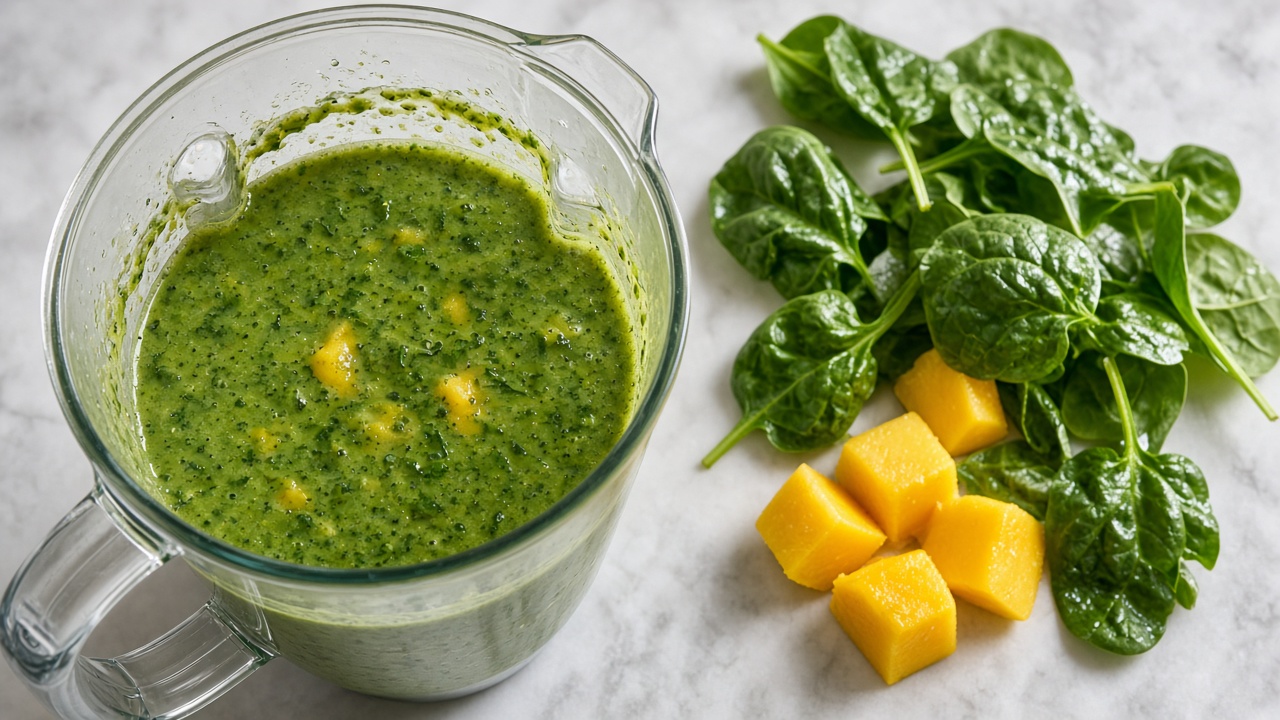
Best Blenders for Smoothies: How to Choose, From Budget to Pro
A good blender is the one piece of equipment that decides whether your morning smoothie is silky or full of leafy flecks and icy chunks. It's also an easy purchase to get wrong. Blender marketing leans heavily on peak wattage numbers, dramatic demos and long feature lists, while the things that matter most for everyday smoothies (jar shape, blade design, how easy it is to clean, and how long the company will stand behind it) get far less attention.
This guide walks through how to choose, what you can reasonably expect at each price level, and how to get better results from the blender you already own.
Start with how you'll actually use it
Before comparing models, answer three questions honestly:
- How many servings do you make at once? A single drink each morning suits a personal blender. Smoothies for a family, frozen desserts or soups call for a full-size jar.
- What goes in? Soft fruit and yogurt blend easily in almost anything. Frozen fruit, ice, fibrous kale, seeds, dates and nuts demand more from the motor and the blade.
- How much counter space and patience do you have? A machine that lives in a cupboard and takes ten minutes to clean will gradually stop being used.
Personal blenders vs full-size blenders
Personal (single-serve) blenders use a cup that doubles as the drinking container. You fill it, screw on the blade base, flip it onto the motor and blend. They're compact, quick and easy to rinse. The trade-offs: smaller capacity, less room for ingredients to circulate, and more difficulty with very thick blends, since there's usually no way to push ingredients down while the motor runs. Popular examples include the NutriBullet and Ninja single-serve lines.
Full-size countertop blenders have a large pitcher, more powerful motors on average and, on many higher-end models, a tamper that lets you push ingredients toward the blades while blending. They handle big batches, thick frozen mixes and nut butters better. They take more space, are louder and need more cleaning. Vitamix, Blendtec and Ninja's full-size models are well-known examples.
Some brands sell full-size bases with personal cups as accessories, which can be a good compromise if you want both.
What actually affects smoothie texture
Motor power, in context
Higher power generally helps with frozen fruit, ice and tough greens, but advertised "peak" wattage isn't a reliable comparison across brands, because it's measured differently and doesn't tell you how well power is delivered to the jar. A well-designed blender with a moderate motor can outperform a poorly designed one with a bigger number on the box. Use wattage as a rough guide, not a deciding factor.
Jar shape and blade design
The best smoothie blenders create a vortex: ingredients are pulled down into the blades, thrown outward and up the sides, then drawn back down. Jar shape drives this as much as the motor. Narrower bases tend to work better for small batches; wide bases often need a larger volume of ingredients to blend evenly. Blades that sit close to the bottom of the jar leave fewer unblended bits.
Variable speed and a tamper
A dial that lets you start slow and ramp up helps avoid air pockets, where ingredients spin uselessly above the blades. A tamper solves the same problem for very thick blends. If you love spoonable smoothie bowls, these two features matter more than almost anything else.
Other things worth checking
- Noise. Powerful blenders are loud. If you blend early while others are asleep, read reviews that specifically mention noise, or look for models sold with sound-dampening covers.
- Cleanup. Many blenders clean reasonably well by blending warm water with a drop of dish soap for 30 to 60 seconds, then rinsing. Check whether jars, lids and blades are dishwasher-safe according to the manufacturer.
- Jar material. Most jars are BPA-free plastic (often Tritan copolyester), which is lighter and less breakable than glass. Glass jars resist scratching and clouding but are heavy.
- Warranty. Warranty length varies widely, from a year on many budget models to several years on premium machines. A long warranty is a meaningful signal of how long a manufacturer expects the motor to last. Read what it covers (motor, jar, blade assembly) before buying.
- Replacement parts. Cups, lids, gaskets and blade assemblies wear out. A brand that sells replacement parts keeps an otherwise good blender out of the landfill.
What to expect at each budget
Prices change constantly, so rather than listing exact figures, here's what each tier typically gets you.
Budget. Many entry-level personal blenders handle fruit, yogurt, soft greens and some frozen fruit well, especially with enough liquid. Expect more trouble with ice, whole nuts and large amounts of kale, and shorter warranties.
Mid-range. Stronger motors, better jars and more consistent results with frozen ingredients. Many full-size Ninja models and upgraded personal blenders sit here. This tier is enough for most daily smoothie makers.
Premium. Commercial-grade build quality, very smooth textures with tough ingredients, tampers, long warranties and readily available parts. Vitamix and Blendtec are the best-known names. These make sense if you blend daily, make large batches or want one machine for smoothies, soups and nut butters for many years. Certified refurbished units from the manufacturer can be a cost-effective way into this tier.
Get better results from any blender
Technique often matters as much as the machine:
- Load in the right order. Liquids first, then soft ingredients and powders, then leafy greens, then frozen fruit and ice on top. This helps the blades catch from the start.
- Blend greens with liquid first. If greens leave flecks, blend them with your liquid until smooth before adding the rest.
- Use enough liquid. Too little causes air pockets. Start with about one cup of liquid for a single large smoothie and adjust.
- Start slow, then go fast. Then blend at high speed long enough for the texture you want, often 45 to 60 seconds.
- Let frozen fruit sit a few minutes. Rock-hard fruit straight from a very cold freezer is harder on any motor.
- Don't overfill. Stay below the max line, and leave room for the vortex.
Our take
For most people, a solid mid-range blender, either a sturdy personal model or an entry-level full-size machine, is the sweet spot. Upgrade to a premium machine if you blend thick frozen mixes daily, want a tamper and long warranty, or plan to use it for much more than smoothies.
Once you have a blender you like, put it to work with our smoothie meal prep guide, make freezer-ready overnight smoothie packs, or browse the full recipe collection for ideas.
Free PDF
Free recipe notes: 8 fruit smoothies
A short sampler of fruit smoothie recipes, plus kitchen notes on thickness, greens and prep.
You'll also get occasional recipe emails. Unsubscribe any time. Privacy Policy.